
Community and education website design
Community and education website design Adelaide
Make your purpose and pathways easier to understand
Website Adelaide designs websites for community organisations, education providers and not-for-profits across Adelaide and South Australia, helping people understand what you provide and how to take the next step.

149 5-star Google reviews from our clients

Rated Adelaide’s Top 3 web designers for 8 years in a row, 2018-2025
Website Adelaide
Adelaide . South Australia
Your website should build confidence before the first conversation.
Website design for community and education organisations
Our experience includes websites for:
01
registered training organisations
02
apprenticeship and vocational training providers
03
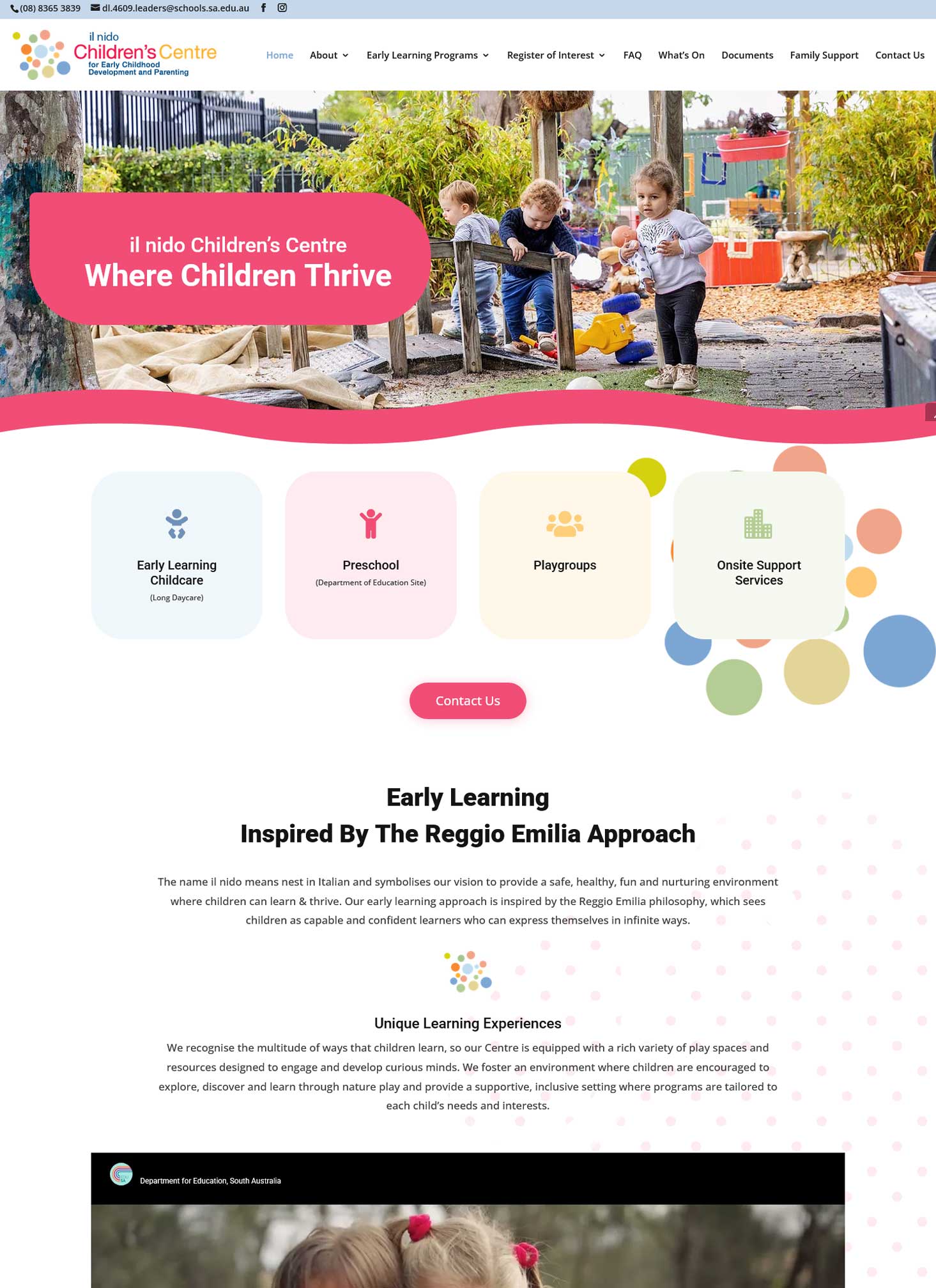
early learning centres and preschools
04
school incursion and education programs
05
museums and heritage organisations
06
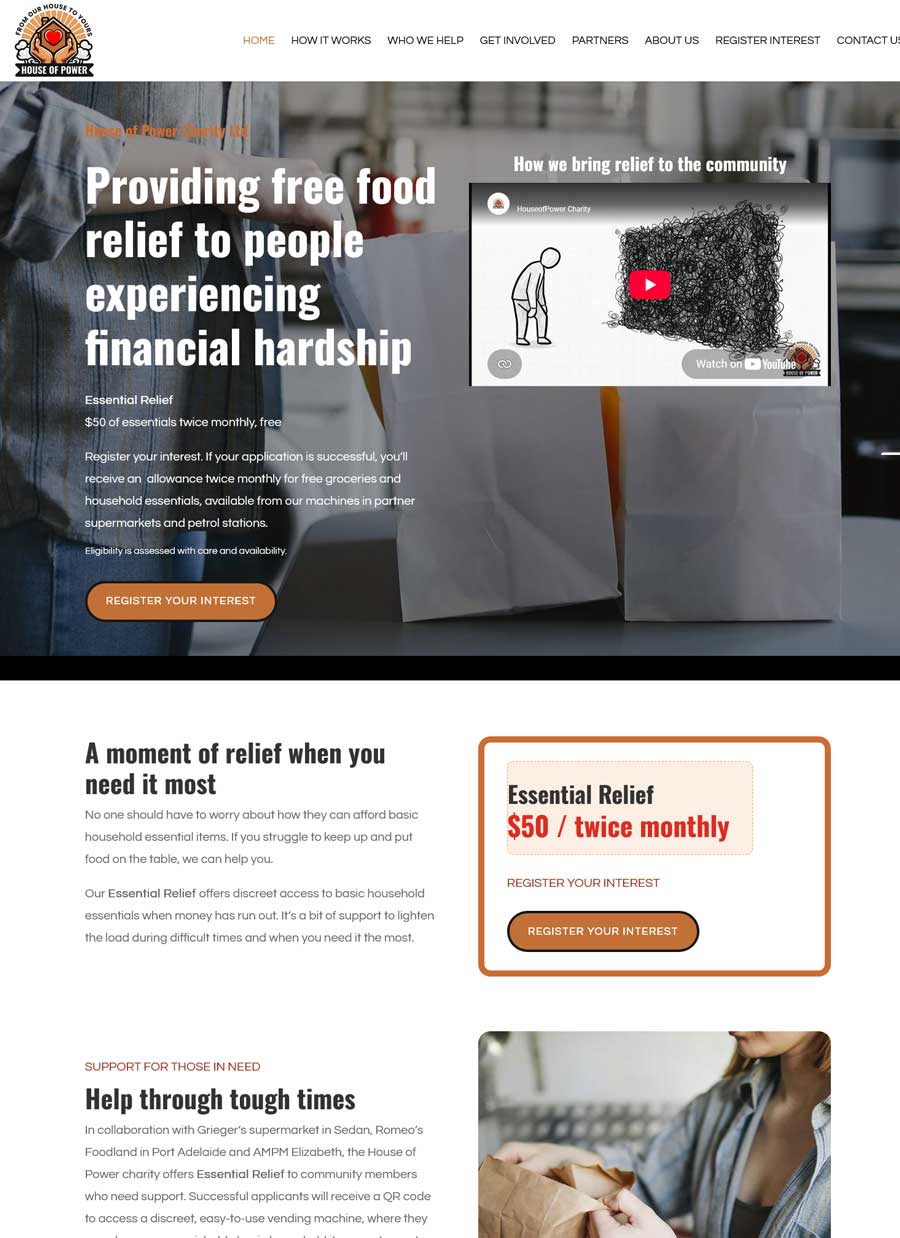
charities and relief organisations
07
volunteer-run community services
08
associations and member groups
09
community transport providers
10
tutoring and specialist education businesses
11
workshops and professional development providers
We work best with smaller organisations that need a clear, manageable website rather than the digital infrastructure of a large university, school system or major institution.
The starting point is usually the organisation’s purpose, the different people it serves and what each of those audiences needs to understand or do.
A museum may need pathways for visitors, schools, researchers and members. A training provider could be speaking to students and employers at the same time, while a community organisation may need to separate people seeking help from donors, volunteers or referral partners.
We use those differences to develop the website strategy, structure and content before the website is written or designed.


Different audiences need different ways in
For many community and education organisations, the website needs to work for several audiences at the same time.
A parent may be assessing an early learning centre. A student could be comparing qualifications. A teacher may want to book an education program, while a family is trying to understand whether a community service is available to them.
Donors, volunteers, members, employers and referral partners can add further layers.
Our approach would be to organise the website around the pathways those audiences actually need, rather than expecting everyone to navigate the organisation through the same internal structure.
Visitors usually need to establish:
01
what the organisation provides
02
who a service, course or program is for
03
who is responsible for delivering it
04
eligibility, age or geographic requirements
05
costs, fees or available funding
06
how to enrol, register or access support
07
practical accessibility information
08
ways to donate, volunteer or participate
09
what happens after the first enquiry
Education websites need practical course detail
From our work with smaller education providers, we have found that course names alone rarely provide enough information.
Students, parents and employers may need to understand entry requirements, duration, delivery format, outcomes, funding eligibility and the enrolment process before making contact.
For a small RTO, that can include qualifications, apprenticeship pathways, registration details and relevant government funding information. For an incursion provider, teachers may be more interested in curriculum relevance, year levels, learning outcomes, duration and what the school needs to provide.
We tend to structure priority programs or courses so people can evaluate them without navigating through administrative terminology.
Where several audiences are involved, such as apprentices and employers, we may create separate pathways while keeping the underlying course information connected.
Be specific about who a service is for
Community organisations often want to sound inclusive, but in our experience, broad statements that a service is “for everyone” can make important information harder to find.
Eligibility, age limits, geographic boundaries, transport restrictions, program capacity or access requirements may all influence whether someone can actually use the service.
We have found that being clear about those limits often builds more trust than avoiding them.
This is particularly important where visitors may be making decisions for a child, older family member or person needing support. They should be able to establish whether the service is suitable before going through a registration or referral process.
That same principle applies to education. If a program is designed for specific age groups, school levels or learner pathways, we make those distinctions visible.
Accessibility should be practical, not a claim
Accessibility is another area where specific information matters.
When we worked with a volunteer-run community transport service, for example, it was important to explain the registration process and practical transport limitations clearly rather than rely on a broad accessibility statement.
Depending on the organisation, useful information may include:
physical access
transport
communication options
eligibility requirements
assistance available
any genuine limitations
Our role is to organise that information so people can make an informed decision.
We can improve navigation, readability, content structure and form clarity as part of the website design process. Formal accessibility compliance testing or certification would need to be scoped separately.
Explain how people can participate
Not-for-profit and community websites can have several calls to action beyond a standard enquiry.
People may need to:
- access support
- register for a service
- enrol in a program
- book an activity
- become a member
- volunteer
- donate
- sponsor or partner with the organisation
We have found that these pathways work better when the website first explains what participation actually involves.
A donation button alone does not tell someone where support goes. A volunteer button does not explain what volunteers do or what commitment is expected.
Not every organisation needs every pathway either. Some are grant-funded, membership-based or primarily focused on delivering a service. The website should reflect the organisation’s actual model rather than imitate a large charity.
Keep public information under control
Established community and education organisations often accumulate years of policies, forms, reports, newsletters, course documents and meeting information.
We regularly see websites where useful material has gradually become one long downloads page.
Our approach is to organise documents by audience, subject, year or purpose, depending on how people actually look for them.
Important information should also appear as normal webpage content where practical. Someone should not need to open several PDFs just to understand a program, service or enrolment process.
Governance information may include leadership, registration status, board members, annual reports, policies and partnerships, but the depth should match the organisation and its obligations.
Use search to connect people with real programs
Search behaviour in this sector is varied because people may be looking for an organisation, program, course, community service or location.
A training provider may need visibility around qualifications and Adelaide. An education program could be found through subject, audience or South Australian school searches. A community service may have a much tighter geographic focus.
We plan our website copywriting and on-page SEO around what the organisation genuinely provides.
That can mean clear program and service pages, accurate Adelaide or regional information, eligibility details, educator profiles, practical questions and internal links between related resources.
We do not recommend producing large numbers of thin pages simply to create more search terms. Useful, factual content should remain the foundation.
New organisations and established services need different websites
01
A new community initiative may have a strong purpose but limited history under its current name.
For these organisations, a well-planned WordPress website design can explain the model, identify who is responsible, present genuine registrations or partnerships and make the first participation pathways clear.
02
Established organisations often face the opposite problem. Years of additional programs, policies and internal changes can leave the website difficult to navigate, even when the underlying information is valuable.
Our website redesign service can retain useful content and existing search value while reorganising the site around current programs, audiences and responsibilities.
This is often less about starting again and more about making years of accumulated information useful again.
Experience across community and education
We have worked with charities, museums, training providers, early learning organisations and community services across Adelaide and regional South Australia.
For detailed examples, visit our Community, Education and Not-for-Profit Website Design industry page.
Those projects have reinforced that purpose alone does not create a clear website. People still need practical answers about eligibility, programs, access, enrolment and participation.
We have also learned that different organisations need very different structures. A museum serving families, schools and researchers needs a different pathway from a food-relief charity or registered training provider.


Frequently asked questions about website design for community, education and not for profit in Adelaide
Do you design websites for smaller education providers?
Yes. We work with training organisations, early learning centres, education program providers and other smaller education businesses and organisations.
Can you restructure an existing community website?
Yes. We can retain useful information while reorganising outdated, duplicated or difficult-to-find content around current audiences and programs.
Can the website include enrolment or registration forms?
Yes. Forms can support enquiries, enrolments, registrations, referrals and other participation pathways. External secure systems can also be linked where required.
Can you help explain eligibility and accessibility?
Yes. We can organise this information so visitors can understand who the service is for, what requirements apply and any relevant limitations.
Can you redesign an established not-for-profit website?
Yes. Our website redesign service can preserve useful material and existing search value while improving navigation, content structure and current program information.
Discuss your organisation’s website
Your website should make the organisation’s purpose clear, but it also needs to help people enrol, access support, participate or find the information they need.
As an Adelaide website designer for community, education and not-for-profit organisations, we can help turn complex programs, public information and different audience needs into clear website pathways.
Explore our web design process, review our website design pricing, or contact Website Adelaide to discuss a new website or redesign.