
Website design for product businesses
Website design for product businesses Adelaide
Help customers find the right product with confidence
Website Adelaide designs websites for product businesses, online sellers, owner-operated shops and showrooms across Adelaide and South Australia.

147 5-star Google reviews from our clients

Adelaide’s Top 3 Web Designers, 8 Years Running
Website Adelaide
Adelaide . South Australia
Your website should build confidence before the first conversation.
Website design for product and retail businesses
Some sell entirely online. Others use their website to support a physical shop, showroom, warehouse, trade counter or a combination of online and in-person sales.
Website Adelaide is an Adelaide website designer for product and ecommerce businesses, including:
01
online sellers
02
specialist product businesses
03
owner-operated shops
04
furniture and homeware businesses
05
artisan and handmade-product sellers
06
trade and building-product suppliers
07
automotive product businesses
08
businesses selling limited-stock products
09
catalogue businesses generating enquiries
10
physical shops adding online sales
11
businesses combining showroom and online sales
12
product businesses shipping across Australia
How people actually buy from the business should shape the website from the beginning.
A straightforward online product may only need clear information, delivery details and checkout. Someone comparing designer furniture may research online before visiting a showroom. A trade buyer may need specifications and a quote rather than immediate checkout.
We would look at your product range, customer types, buying pathways and delivery model before deciding how categories, enquiries, showroom visits and online sales should work together.
Those decisions form the website strategy, structure and content before the store is designed and built.
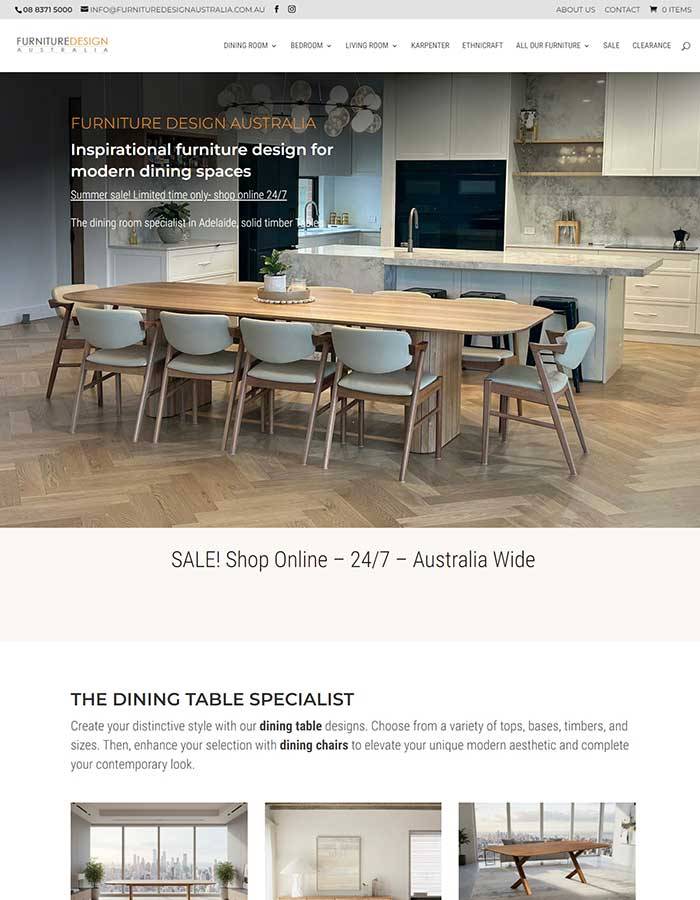
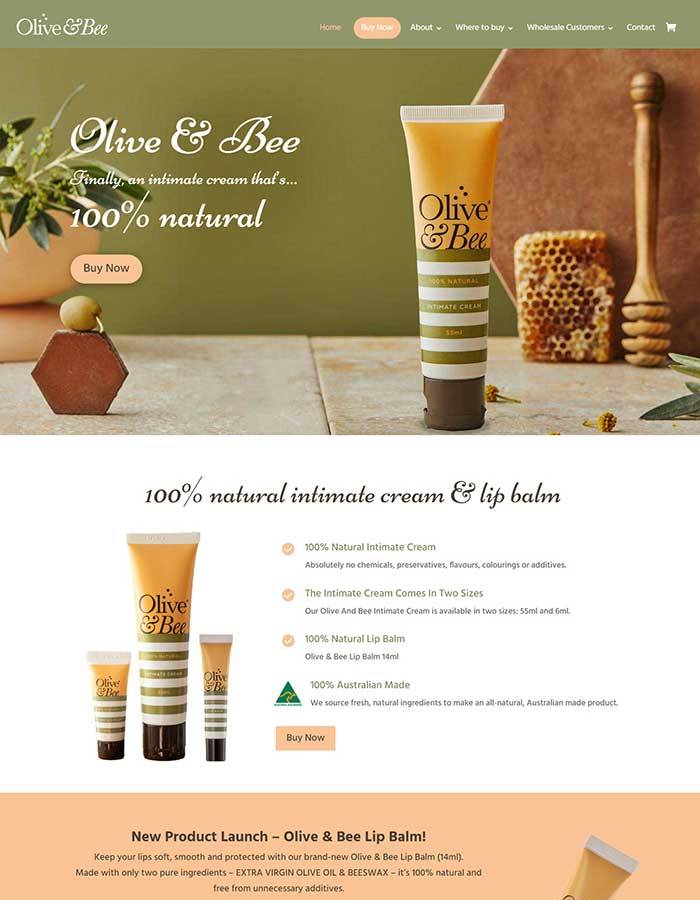
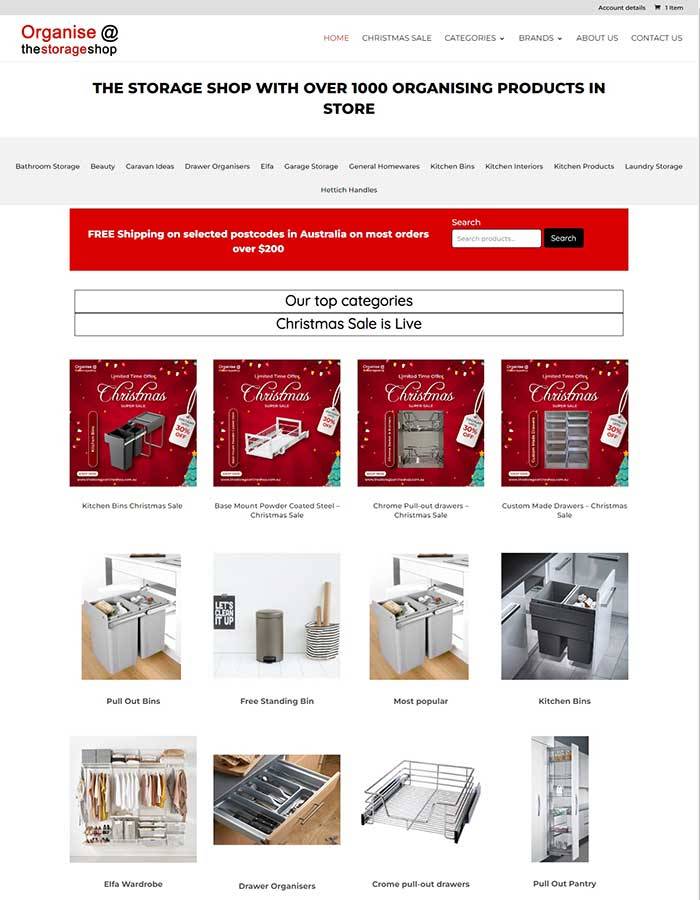
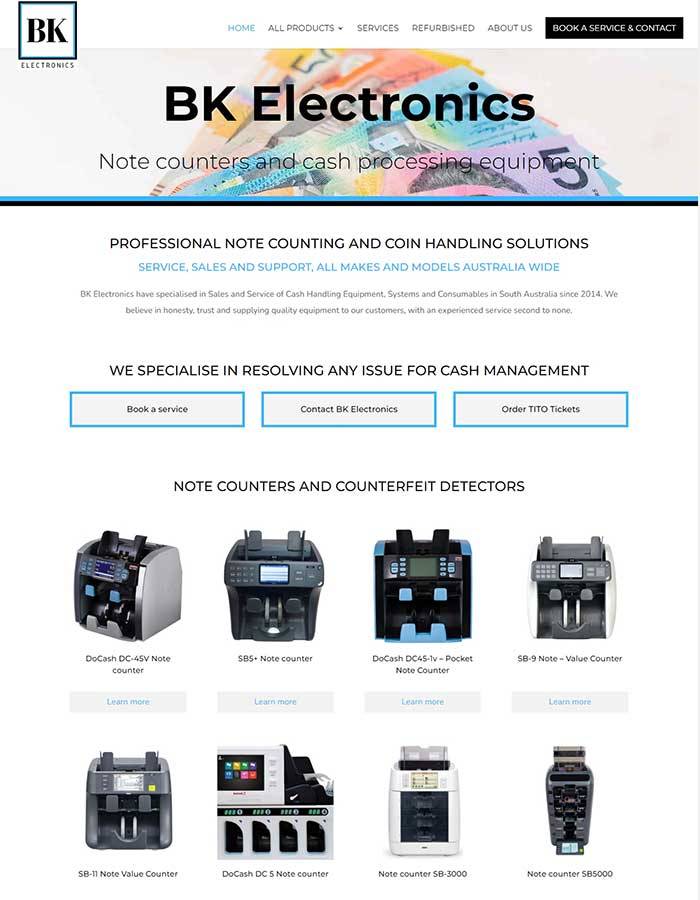
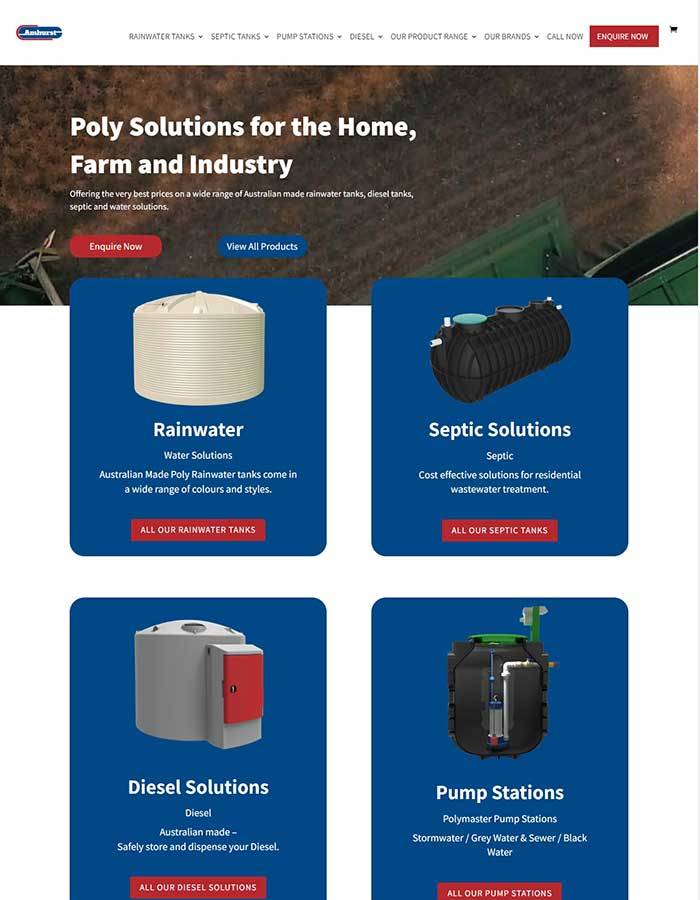
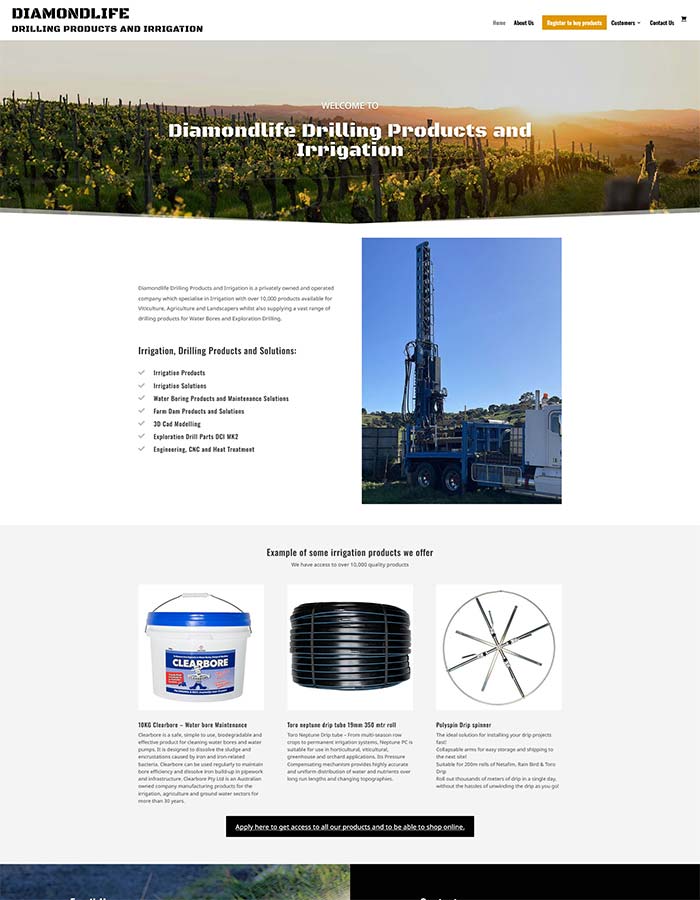
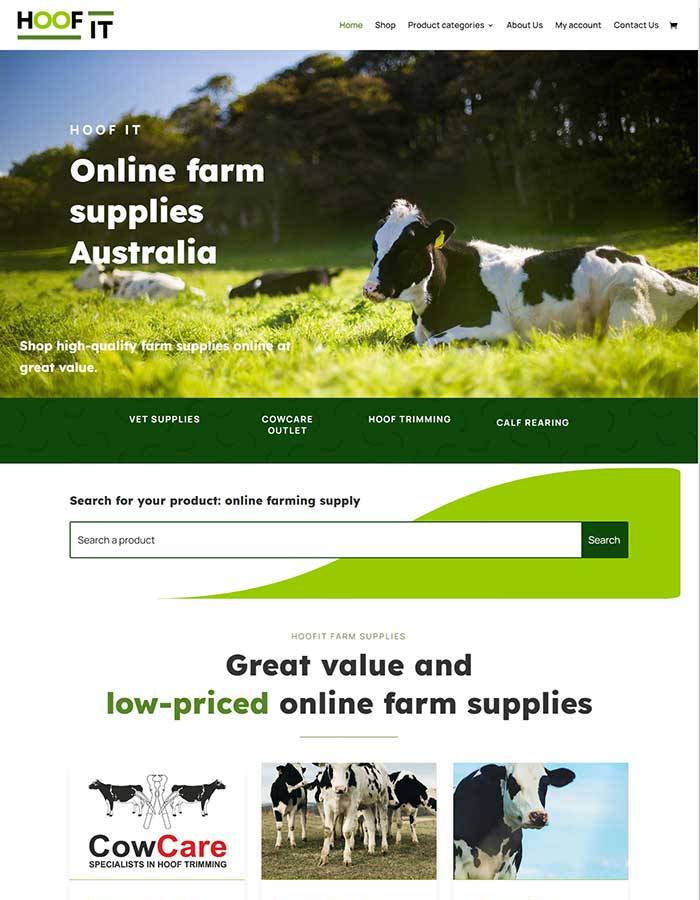
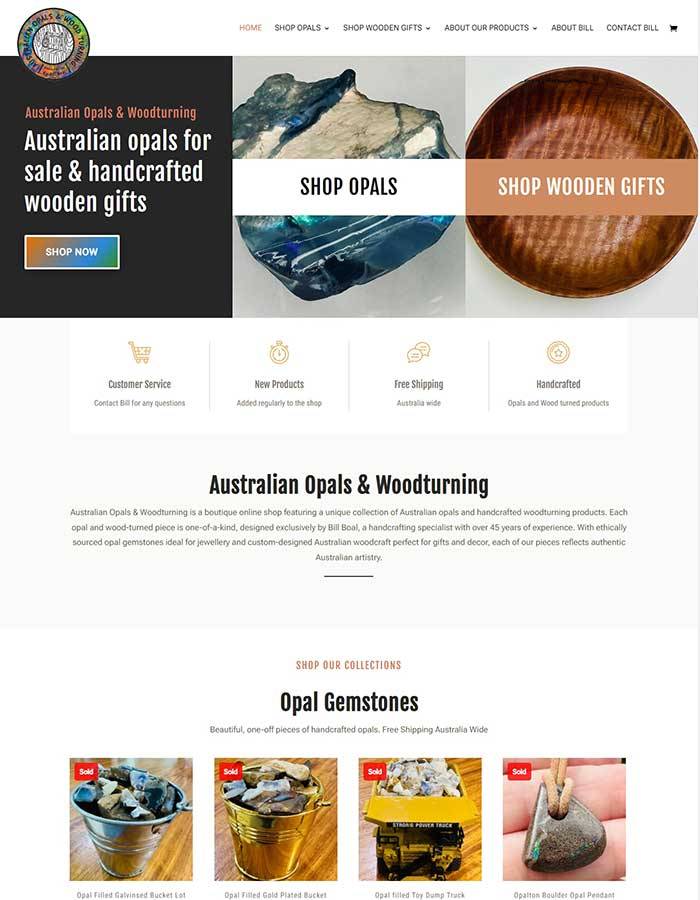
Customers lose the reassurance of the shop floor
Buying online removes many of the cues customers naturally use when they are standing in front of a product.
They cannot handle it, inspect the finish closely, judge scale, test how it works, compare alternatives side by side or immediately ask someone a question.
That means the website has to carry more of the buying decision.
We would look at what customers normally want to confirm before they feel comfortable proceeding, then make that information easy to find.
Customers may want to know:
01
what the product is designed for
02
who it is suitable for
03
dimensions, materials and specifications
04
colours, finishes or variations
05
how the product is used
06
what is included
07
current availability
08
whether the exact item shown will be supplied
09
delivery or collection arrangements
10
returns, exchanges or damage processes
11
warranty information
12
if advice is available before purchase
13
how to buy or enquire
The level of detail should reflect the amount of uncertainty around the purchase.
A familiar, low-cost product may need relatively little explanation. A specialist, expensive, unfamiliar or highly considered product usually needs much more.
Our approach is to give customers enough information to assess the product confidently without forcing them to leave the website to fin
Match the website to how customers buy
Not every product business needs the same sales model.
We have worked with businesses using direct online checkout, showroom visits, quote requests, trade enquiries, local collection and combinations of these.
For straightforward purchases, customers may be able to browse products, select variations, pay online and choose delivery or collection.
For higher-value or more complex products, the website may need to support the decision first. A furniture buyer might want to speak with someone or visit the showroom. A trade customer may need a quote. Bulky products may require freight confirmation before an order can be finalised.
Where direct online purchasing forms part of the business, we build our eCommerce websites in WordPress using WooCommerce.
For the technical side of checkout, payments, shipping and online-store functionality, see our eCommerce website design Adelaide service.
Product categories should follow the buyer
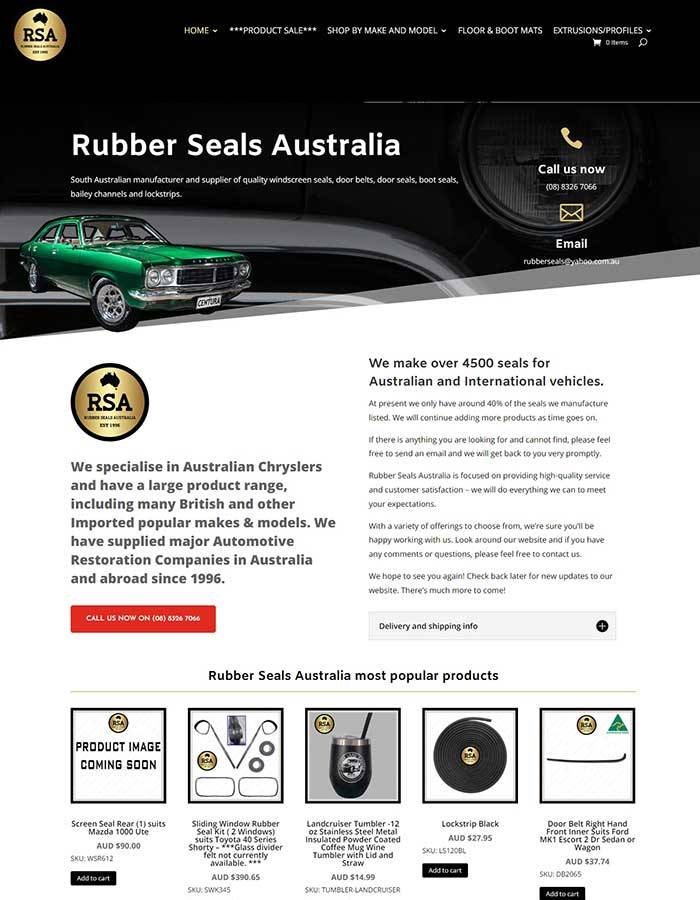
We have seen product catalogues become difficult to use because they mirror the supplier list or internal stock system rather than the way customers actually shop.
Products might need to be grouped by:
- category
- room
- application
- customer type
- brand
- material
- size
- use case
The right structure depends on the business.
For a furniture retailer, room and furniture type may make sense. For a specialist product, the better starting point may be the customer’s situation rather than the technical product name.
We plan the category structure early because it influences navigation, product URLs, internal links and search visibility.
A clear structure also makes future growth easier when more products, brands or categories are added.
Product pages need enough depth
A product page can be very simple when the buying decision is simple.
For more considered purchases, a title, photograph and price are rarely enough.
From our work with specialist product businesses, we have found that useful product information may include:
- dimensions
- materials
- finishes
- specifications
- suitability
- compatibility
- available options
- care information
- stock status
- delivery or collection details
Where customers are unfamiliar with the product category, supporting content can become even more important.
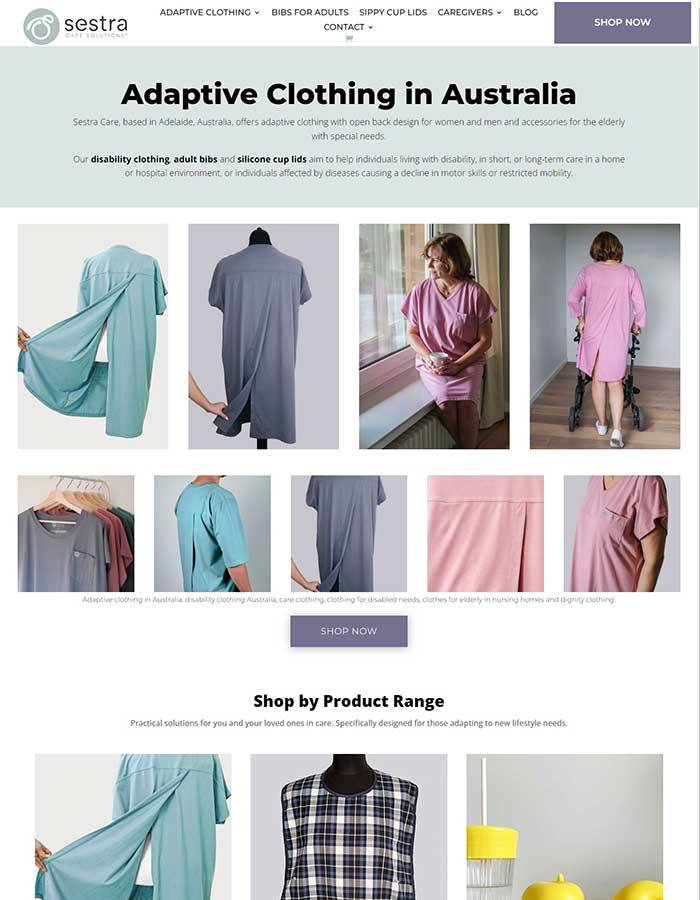
Our work with adaptive clothing, for example, reinforced how much difference it makes when products are explained in relation to the customer’s situation rather than relying only on standard product descriptions.
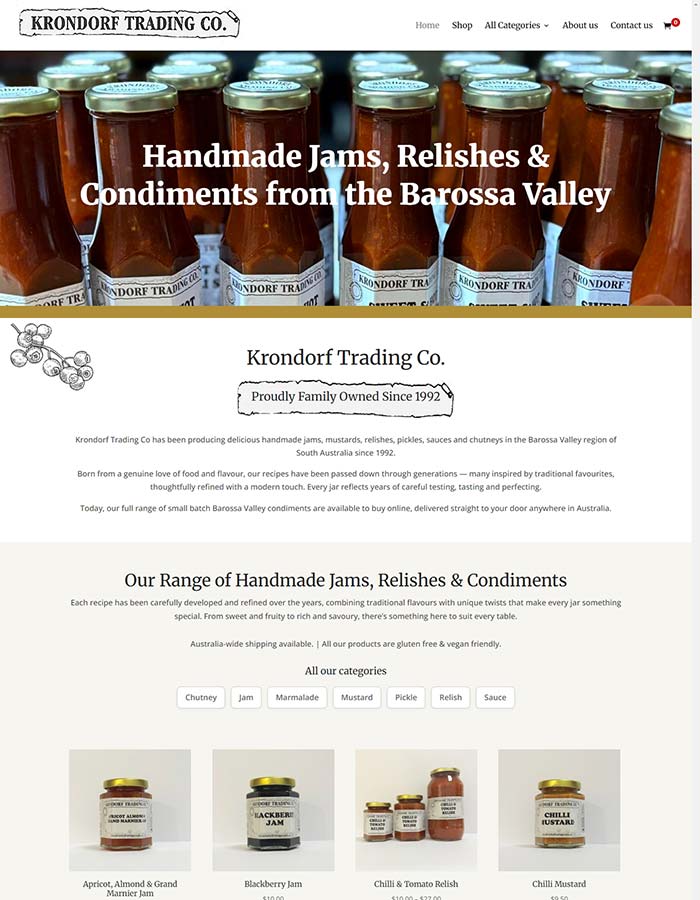
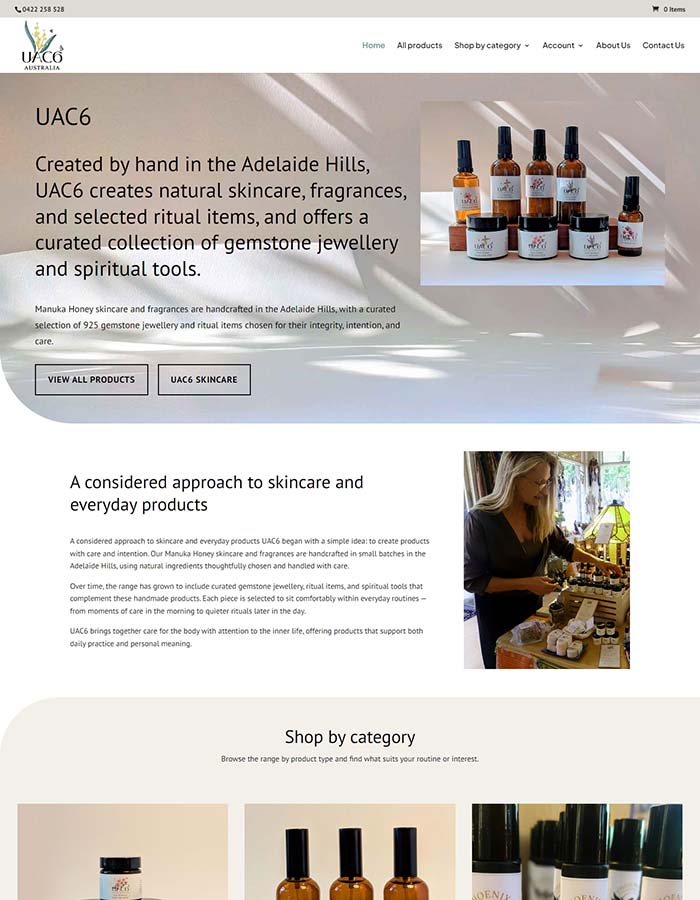
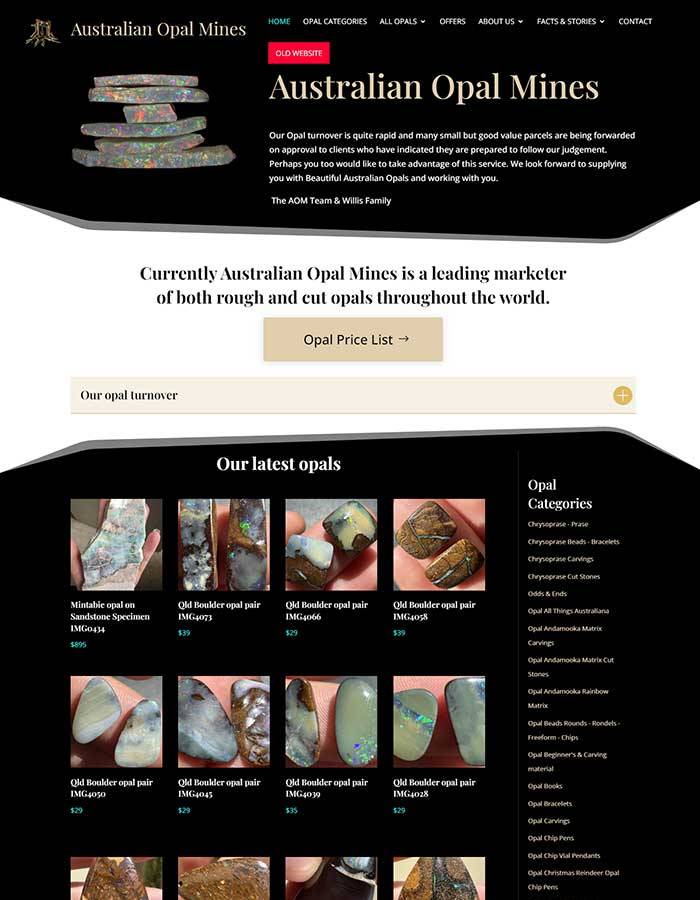
For unique artisan products, the buying decision may centre more on craftsmanship, provenance and confidence that the item shown is the exact one the customer will receive.
Our website copywriting service can develop this deeper content where the existing catalogue does not answer enough customer questions.
Use the website to support the physical business
Not every product website needs to turn every visitor into an online transaction.
We have worked with businesses where the website supports a physical shop, warehouse or showroom as much as it supports online sales.
Someone may research products at home and then visit the showroom. A trade customer may check product availability before calling. Another customer may purchase online and collect locally.
We bring those pathways together rather than treating the physical business and website as separate channels.
Useful information might include:
- shop or showroom location
- opening hours
- products available to view
- consultation services
- click and collect
- local delivery
- parking
- trade counter information
- collection requirements
For some businesses, helping the customer arrive better informed is just as valuable as completing the transaction online.
Plan delivery before building the website shop
Shipping can quickly become one of the more complicated parts of selling products online.
We prefer to work through it early.
The business needs to decide:
- where products can be sent
- how delivery charges are calculated
- which products need a freight quote
- which items are collection only
- whether local delivery is available
- how bulky or fragile products are handled
- expected dispatch times
- who manages fulfilment
Small products may suit flat-rate or calculated shipping. Furniture, building supplies and bulky items may need delivery zones, postcode rules or individual freight quotations.
Click and collect can work well for shops, showrooms and warehouses, but customers still need clear instructions around collection location, timing and requirements.
The delivery model should reflect the actual operation of the business, not simply what the eCommerce platform makes possible.
Build a website your team can manage
For smaller product businesses, the website needs to remain manageable after launch.
We use WordPress and WooCommerce because they allow businesses to manage products, categories, stock, prices, variations, orders and sale items without needing a developer for routine updates.
But we do not recommend adding complexity simply because the functionality exists.
In our experience, a simpler structure that the business keeps accurate is usually more useful than a sophisticated store that becomes difficult to maintain.
We provide WordPress and WooCommerce training so the owner or nominated team member can manage the website after launch.
Search visibility needs more than product pages
One thing we have learned from eCommerce and product websites is that individual product pages should not carry the entire search strategy.
Products sell out. Ranges change. Individual items may disappear completely.
Strong category pages and useful supporting content can continue building visibility over time.
Depending on the business, search opportunities may come from:
- product categories
- brands
- product types
- buyer questions
- applications
- Adelaide location information
- showroom searches
- Australia-wide product searches
For a local shop or showroom, Adelaide and location information may matter. An online-only seller may need a broader national approach.
We develop website copywriting and on-page SEO alongside the product structure so categories, supporting content and product pages work together.
New product businesses can start focused
01
A new product business does not need a huge catalogue on day one.
In our experience, starting with a smaller, clearly organised range can actually make it easier to establish who the business is for and how people should buy.
For a new business, our website design service can establish the product structure, buying model, delivery approach and main customer pathways from the beginning.
More products and categories can be added as the business develops.
02
Established businesses often have a different challenge.
Their catalogue may have grown without a clear hierarchy, product descriptions may be inconsistent and the website may no longer reflect the way customers buy today.
Our website redesign service can retain useful content and existing search value while rebuilding the catalogue, navigation and customer journey around the current business.
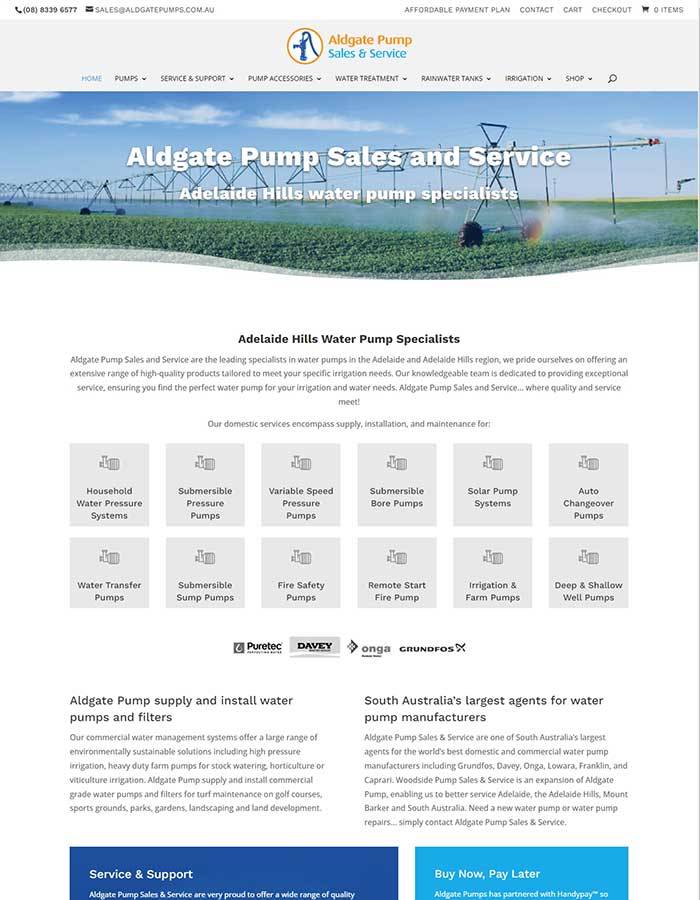
Our product and eCommerce website experience
We have worked with furniture businesses, specialist online sellers, trade suppliers, artisan product businesses and other retailers across Adelaide, South Australia and interstate.
For detailed examples, visit our Retail, Showroom and eCommerce Website Design industry page.
Those projects have shown us that different products require very different forms of reassurance.
A designer furniture customer, a buyer searching for specialist adaptive clothing and someone purchasing a unique handcrafted item do not evaluate products in the same way.
We use those differences to shape the category structure, product content, enquiry pathway and sales model rather than forcing every business into the same online-store format.


Frequently asked questions about retail, showroom and ecommerce website design in Adelaide
Does a product business need to sell everything online?
No. We work with businesses using direct online sales, product enquiries, showroom visits, quote requests or a combination of these. The website should match how customers actually buy.
Can I start with a small product range?
Yes. A focused, well-organised catalogue can be a strong starting point. More products and categories can be added as the business develops.
Can some products be purchased while others need an enquiry?
Yes. The same website can support direct checkout for straightforward products and enquiries or quotes for customised, bulky or higher-value items.
Can the website support a physical shop or showroom?
Yes. We can combine online product information with showroom visits, consultations, click and collect, local delivery and in-person sales.
Can you redesign an existing WooCommerce website?
Yes. We can review the existing catalogue, structure, content and search visibility before rebuilding the website around current products and customer priorities.
Discuss your product website
A strong product website should help customers understand what they are buying, answer the questions they cannot ask across the counter and make the next step clear.
As an Adelaide website designer for product businesses, we can help organise your products, categories, online sales, enquiries and showroom pathways around how customers actually buy from you.
Explore how we work, review our website design pricing, or contact Website Adelaide to discuss a new product website or redesign.