Website design for physiotherapists and chiropractors in Adelaide
Websites that reflects your quality of care and connects with patients and referral partners
We create websites physiotherapy and chiropractic clinics that support patient understanding and reflect your professionalism of your practice.

Rated Top 3 Adelaide web designer 2018-2025

130+ 5-star Google reviews
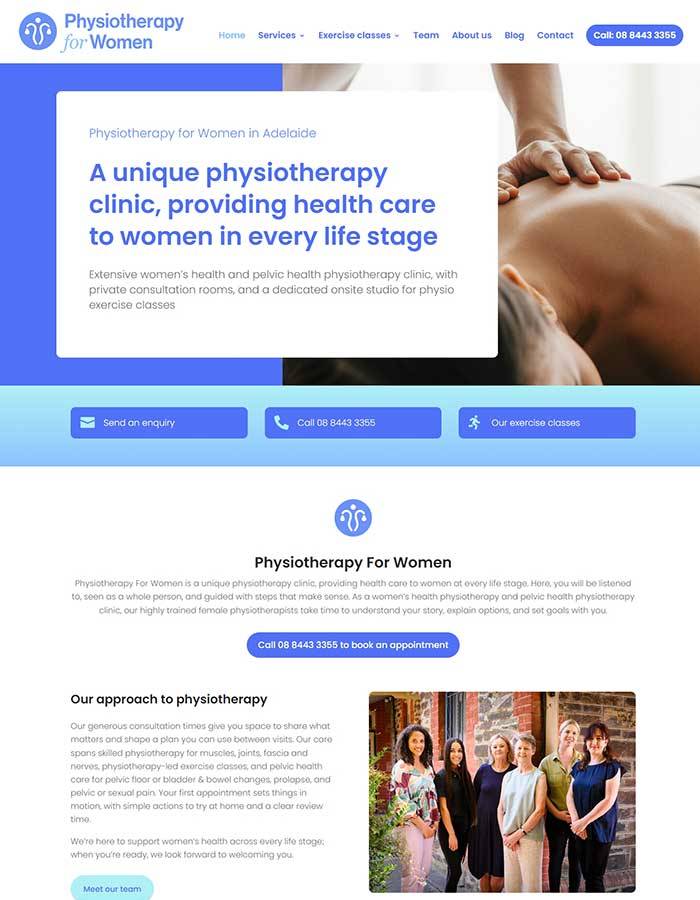
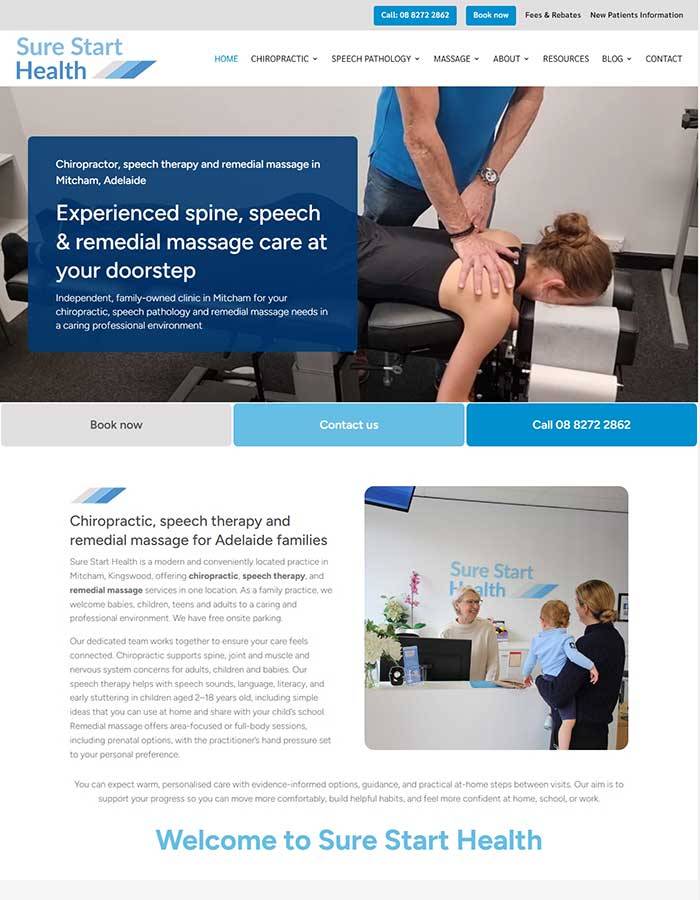
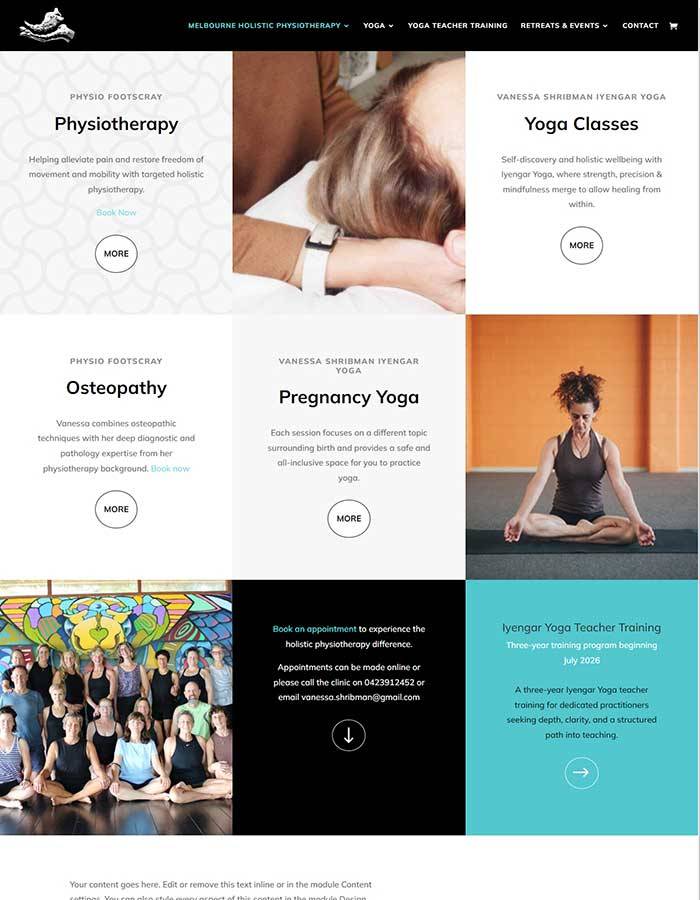
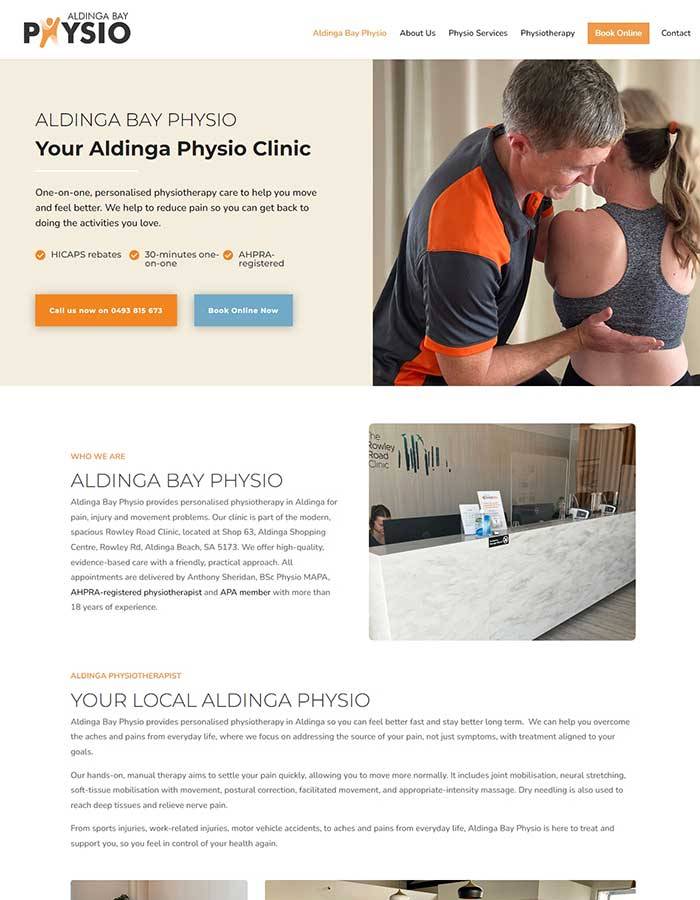
Physiotherapy and chiropractic websites need to provide clear, practical guidance that helps patients understand whether a service is appropriate for their needs. This includes explaining the types of conditions treated, the focus of care, and what patients can expect from an initial appointment, without relying on clinical jargon or assumptions.
Website Adelaide structures these pages so clinics can present their scope of care, practitioner expertise, and practical details such as booking, fees and rebates in a way that supports patient understanding, informed decision-making and long-term online presence.
Website design for physiotherapy, chiropractic and remedial massage clinics
Are you expanding your practice, opening a new location, or needing to update your old and underperforming website? Website Adelaide builds professional chiropractic and physio websites that make it easy for patients to understand what you do, how you can help, your specialisations, and practical information that supports informed decisions to contact your practice.
We create websites for
- Physiotherapy clinics focused on musculoskeletal care and sports
- Clinics with pelvic health and women’s health services
- Chiropractic practices
- Family physiotherapy
- Pregnancy-related chiropractic care
- Multidisciplinary clinics with a combination of physio, chiro, podiatry, speech pathology, and more
- Remedial massage therapists
- Therapeutic massage
Physiotherapy and chiropractic websites need to balance clinical accuracy with clear, patient-friendly language. Service pages should explain conditions treated, care approaches and practical details without overwhelming visitors or relying on assumptions about prior knowledge.
Website Adelaide structures these pages so clinics can clearly present their scope of care, special interests and practical information in a way that supports patient understanding and long-term online presence.
PHYSIOTHERAPY AND CHIROPRACTIC WEBSITES
Example of Website Adelaide’s website design for physio and chiro practices
Browse our website portfolio and use the industry filters to explore some of our website projects.
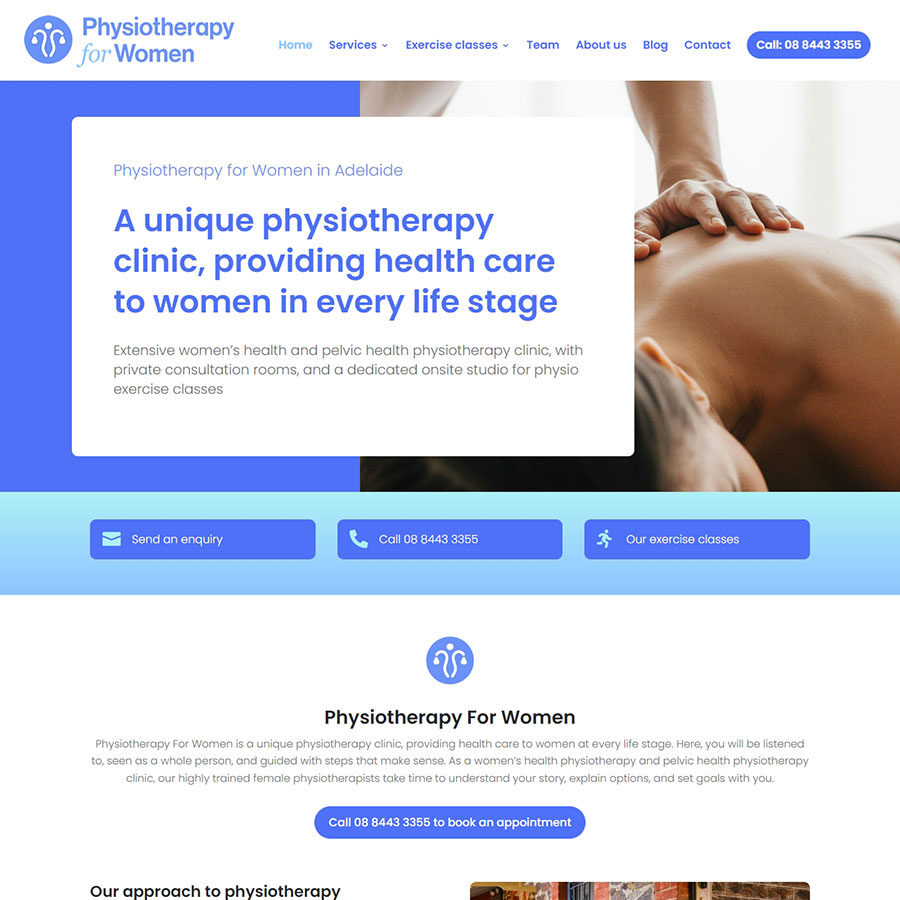
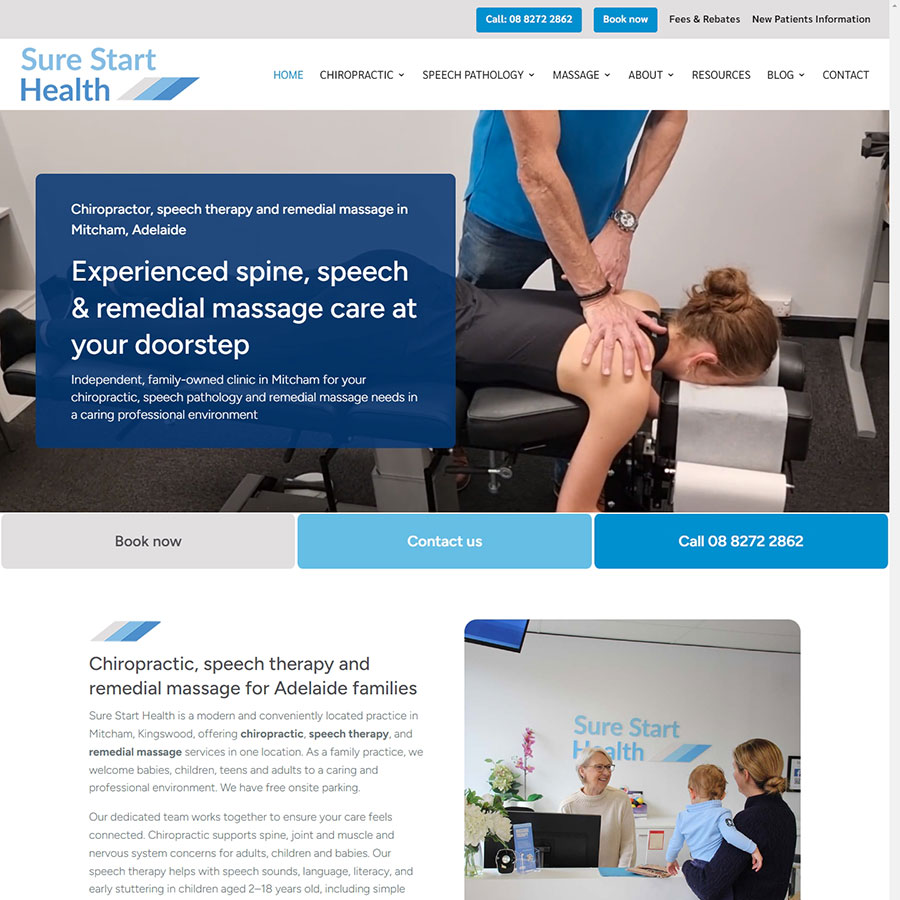
Common questions about physiotherapy and chiropractic websites
Common questions about physiotherapy and chiropractic website design
Who designs physiotherapy and chiropractic websites in Adelaide? Website Adelaide designs websites for physiotherapy and chiropractic clinics in Adelaide and across South Australia. As a local Adelaide web designer, Website Adelaide focuses on building professional websites that help clinics explain their services, build patient trust and support their online presence through search engines.
How does physiotherapy and chiropractic website design work?
The process begins with a conversation about the clinic, the services provided, and the types of patients the practice supports. From there, the website structure is planned around how patients search and make decisions, with key pages such as services, care, practitioner profiles and contact information considered from the start. Design, copywriting and on-page SEO are developed together as a single integrated process, so the website launches with a clear structure and a strong foundation for search visibility from day one.
What does a physiotherapy or chiropractic website cost?
Website pricing depends on the scope of the project, the number of service pages, and how much content is required. Every project is scoped individually based on what the clinic actually needs. A physiotherapy or chiropractic website typically involves multiple service pages, practitioner profiles and condition-specific content, which generally places it in the small business website range.
Design, copywriting, and on-page SEO are included as part of the build, not added separately. The best starting point is a conversation about your clinic, your services, and your goals. From there a proposal is provided before any work begins.
WHY INVEST IN A NEW WEBSITE
Why invest in a professional website for physiotherapists, chiropractors and remedial massage clinics
After working with many allied-health clinics, we hear the same frustrations time and again.
“Our website doesn’t clearly explain our services, audiences or special interests.”
“People can’t find fees, rebates or how to book online.”
“We provide quality care, but the site is hard to navigate and we’re not showing up locally.”’
We help solve that with a website that:
- Looks professional and reflects your clinical standards, building confidence with patients and referrers.
- Explains complex services in simple terms and shows who you help (children, teens, adults, older adults, women’s health and more).
- Presents fees and rebates clearly (private health, Medicare CDM, DVA, RTW, NDIS) with easy online booking such as Cliniko and other booking systems.
- Uses on-page and local SEO (service + suburb pages, structured FAQs) so nearby patients can find you.
- Supports multidisciplinary clinics with clear cross-links between physio, chiro and remedial massage and other health professions.
We help physiotherapists and chiropractors clearly explain their services, making it easy for people to book.
Website Adelaide is a small specialist Adelaide web design company working with physiotherapy and chiropractic clinics across metropolitan and regional South Australia. We help practices modernise outdated websites, clearly present services, and ensure important clinical and practical information is easy to find.
For physiotherapy clinics, a well-structured website helps explain services such as musculoskeletal and sports physiotherapy, pelvic health and women’s health, postnatal care, vestibular and balance therapy, post-surgical rehabilitation and pain management.
For chiropractic clinics, clear service pages help patients understand care for back and neck pain, joint stiffness, headaches related to spinal function, pregnancy-related musculoskeletal support and when chiropractic care may be appropriate.
Our approach integrates website design, copywriting and on-page SEO during the build process. We structure content around services, practitioner expertise and location context, embed existing booking systems where used, and design mobile-friendly layouts that support clear calls to book or enquire.


WHAT MAKES AN ALLIED HEALTH WEBSITE EFFECTIVE
Website design for physiotherapists, chiropractors and remedial massage clinics
Your website often makes a lasting first impression long before you speak with a patient. A recent patient survey found that most people look online to see doctors and healthcare providers, and that online reviews are extremely or very important for about three in four patients (Tebra.com) For physiotherapy, chiropractic and remedial massage, credibility is not only how the site looks, it is how clearly you explain services and fees, show clinician profiles, and make booking simple.
Key elements that contribute to a high-performing allied health website
An effective allied health website, such as a chiropractic or physiotherapy website, must do more than list services. It should demonstrate clinical depth, build confidence with patients and referring physicians, and facilitate contact. Research shows that 84 percent of patients check online reviews before selecting a provider, so your website and reputation often form the first impression patients have of you. For physiotherapy, chiropractic, and remedial massage, credibility typically stems from clear services and fees, comprehensive clinician profiles, and a straightforward booking process that works perfectly from any device.
Service pages by condition and modality
Online booking and practice software integration
Fees, rebates, and payment clarity
Clinician profiles that build confidence
Practical location access and contact details
Content aligned with AHPRA expectations
Mobile-friendly performance and accessibility
Local and service-based SEO
CUSTOMER TESTAMONIALS
What our clients say about their website redesign
With more than 100+ five-star reviews, our clients’ results speak for themselves. Here are short comments from recent projects.
★ ★ ★ ★ ★
….. From start to finish, Website Adelaide handled everything with professionalism and expertise, including copywriting, website design, and hosting. I cannot speak highly enough of their services and would highly recommend them to anyone in need of webpage development. Five stars all around.
lloyd mcfeeters, Fleurieu Locksmith
Brilliant from start to finish.
Total Antenna, Craig Matters
… and the end product is even better than I could have imagined …
Annemarie Menne, am Clinical
Website Adelaide gave us fantastic service. Jarka was easy to work with, prompt and understanding of our needs. Now the National Railway Museum in Port Adelaide has a fantastic new website that we can build on for the future.
National Railway Museum
….. I was extremely impressed with Her work, My website was ranking on the first page of Google in no time, ….
Pete Hebberman, Aldinga Beach Storage.
….. It has been a wonderfully fulfilling experience working with Jarka to create our website!! She is thorough, patient and her experience and professionalism is outstanding!! ……. Thanks Jarka, it’s been a real pleasure and we are extremely happy with the outcome.
Sandra Yeing, AW Diesel Repair Services
….. Jarka has been so helpful throughout the whole process of re-building our website. So much good new knowledge about SEO optimisation in particular…..
Mette Dabinett, The Float Centre
…. Jarka and her team have been exceptional with clear communication and always responsive. Highly recommend.
Yvonne Svensson, Adelaide Architect
Why choose Website Adelaide to build your allied health website


Experience in building allied health websites
Clear clinically focused content
SEO optimised for local visibility
Easy website management
Personal service from start to finish
COMMON WEBSITE MISTAKES TO AVOID
Common website mistakes physiotherapy and chiropractic owners make
Many clinics offer quality care, yet their websites leave visitors uncertain about what to expect. Visitors cannot quickly confirm services, who you help, or how to book. Key details, such as fees, rebates, and opening hours, are hidden, which hinders decision-making and reduces booking potential in local searches. A clear clinic website design solves this by explaining points of difference, service coverage, and audience fit.
Points of difference and specialisations are missing
People compare many clinics and make quick judgments. If your point of difference is unclear, the site feels generic, and trust drops. Explain specialist services such as pelvic health, vestibular care, sports and work injury rehabilitation, or family care. Display your qualifications and affiliations, outline your approach to assessment and planning, and include a ‘Why Choose Us’ summary near the booking links.
Who you help is not obvious
People want to know if your clinic sees someone like them. State your audiences early and repeat them on service pages. Include children, teens, adults, older adults, and women’s health with prenatal and postnatal care. Add simple phrases about musculoskeletal care, balance and falls, sports injury, and return to work. Link to the suburb pages so readers can choose a clinic.
Fees, rebates, and opening hours are hard to find
People compare clinics on cost and convenience. Place fees and rebates in a clear table and explain private health, Medicare CDM, DVA, RTW and NDIS where relevant. Display opening hours on every page and confirm any after-hours or same-day availability. Embed the booking system you already use so people can act without calling and waiting straight away online.
Thin service pages that do not answer key questions
Service pages often list techniques without providing sufficient context. People need to see conditions treated, learn about the services you provide, understand what a first appointment entails, and know how to book an appointment. Add fees and rebates, along with opening hours and access details. Keep a short explanation of techniques used where indicated. Use simple calls to action; present information in a clear, logical order so readers can take the desired action.
Weak local SEO and booking friction
Many clinic sites do not rank locally because coverage in the suburbs is limited, and NAP details are inconsistent. Build suburb and location pages, add structured FAQs, and ensure consistency in names, addresses, and phone numbers across all relevant pages.
Embed the booking system you already use and repeat book and call actions on key pages. Reduce form fields and make mobile actions easy so people can book without delay.
Do you need a professional website that works for your practice?
Good design is the first step. Your allied health website also needs clear information that speaks to both patients and referring healthcare professionals. Many clinics choose our comprehensive website package, which includes copywriting and on-page SEO, designed explicitly for physiotherapy, chiropractic, and remedial massage practices.
Prefer to provide your own clinical content. That works too. We edit and structure your material for clarity, readability, and search, so it connects with patients and supports online bookings.
We do not drop text into a design. We plan your website around your services and patient pathways, then present fees, clinician profiles and booking links so visitors can take the next step.
WEB DESIGN | COPYWRITING | SEO | LOCAL | AFFORDABLE | WORDPRESS | CUSTOM BUILT
Our website prices
Strategy, design, copywriting and on page SEO, built together from the start
Every website we build includes strategy, design, copywriting and on-page SEO as a single integrated process. We don’t see that as separate decisions.
01
Website strategy
Understanding your business, customers and market position so every decision from site structure to content development is informed by what matters most.
02
Custom design
Built for your business, not adapted from a standard template. Structure, layout and visual design are built around your business, services and your audience.
03
Copywriting
Professionally written content that explains your services in-depth, positions your business well, and gives visitors a reason to get in touch.
04
On-page SEO
Built into the structure from the start with headings, page architecture, content hierarchy and local SEO signals, not added as an afterthought.
When Google first crawls a new website, it begins forming an assessment of what the business is, what it knows, who it serves, and how credible it appears. That initial assessment sets a baseline, and search visibility builds from there.
Including what's always included, indicative prices, and how to compare quotes.
THE IMPORTANCE OF SEO
Why SEO is important for physiotherapists and chiropractic websites
Search visibility helps new patients find you at the exact moment they are looking for care. Local SEO means appearing in searches like ‘physiotherapist Adelaide’, ‘chiropractor near me’, ‘remedial massage for back pain’, and ‘women’s health physio’. It is not only about traffic, but also about the right kind of visibility, people in your area who are ready to book.
Here’s how we put on-page SEO into action for allied health businesses:

Service and condition keywords
We map keywords to service and condition pages. It may be keywords such as “physiotherapists in Adelaide”, “pelvic health physiotherapists”, “vestibular therapy”, “chiropractors near me”, “back pain clinics”, and “headache and neck pain care”. Clear headings and concise answers align with intent and enhance relevance.
Structured FAQs and rich results
We add FAQs that answer questions about booking, fees and rebates, hours, service areas, and who we help. Markup helps search engines understand the content. People see helpful answers in search and click through to book or call.
Technical quality and page speed
Technical quality and page speed
Fast loading pages keep people on the site and support rankings. We compress images, refine scripts, and maintain lean layouts. Mobile performance is crucial for clinic searches, so we test on standard devices and keep actions at the top.
Suburb and location pages
We can also create location pages, if needed, that reflect how people search. If so, each page confirms address, parking, opening hours, and services offered at that clinic. Internal links connect suburbs to service pages, allowing readers to move smoothly from search to booking.
Google Business Profile and nap consistency
Search engines cross-check your business information across directories. Inconsistent listings can erode trust and negatively impact your visibility. We help ensure that your NAP details are consistent across your website, Google Business Profile, and relevant industry directories or association listings.
CREATING THE FOUNDATION FOR YOUR WEBSITE
Strategic consideration and core components for
for your physiotherapist and chiropractor’s website’s long-term success
Clinic websites need to do more than look good. They must present the correct information to the relevant people in a clear and organised manner. A parent may compare fees and hours while a referrer checks services and locations. The website’s structure guides each visitor to book or call. A well-organised site helps your clinic get found, builds confidence quickly, and encourages the next step with clear actions.
Professional and profession-focused design
Your website should reflect clinical standards and everyday practice. Clean layouts and readable typography support clear thinking. Navigation groups, services, people, locations, and bookings. Images show the clinic. Design signals competence and helps visitors make informed decisions.
Detailed services and treatment pages
Generic information does not convert. Each service page explains the condition, assessment, treatment options, and steps. Include who you help, session length, fees and rebates, and booking links. Clear headings and short paragraphs guide decisions.
Mobile responsive layout for accessibility
People check clinics on phones and tablets. Pages must read well on small screens and load quickly. Buttons should be easy to tap. Booking, calling, and directions should be listed at the top of the page. Designs are thoroughly tested to ensure they work on a wide range of devices.
SEO optimised content targeting local and clinical keywords
We write content using search terms in Adelaide. Phrases include physiotherapist Adelaide, pelvic health physio, chiropractor near me, sports injury clinic, and vestibular therapy. Pages add suburb signals, structured FAQs, and schema so search engines understand.
SEO optimised content targeting local and clinical keywords
We write content using search terms in Adelaide. Phrases include physiotherapist Adelaide, pelvic health physio, chiropractor near me, sports injury clinic, and vestibular therapy. Pages add suburb signals, structured FAQs, and schema so search engines understand.
Online booking and conversion pathways
We embed your booking system, allowing people to book without needing to call. Booking, call, and enquiry buttons appear on key pages. Forms ask for essential fields only. Location pages feature clinic actions, including directions, maps, and parking information.
Fees, rebates and opening hours presented clearly
People compare clinics on cost and convenience. We present fees and rebates in a table and explain private health, Medicare CDM, DVA, RTW, and NDIS. Opening hours should be displayed on every page, along with information on after-hours services.
Who you help and service areas
People need to know if your clinic accepts patients like them and where your clinic is located. We present audiences and repeat them on service pages. Suburb lists support local searches.
Practitioner profiles and clinic information
People want to see who they will meet. We include profiles with names, qualifications, and areas of interest. A paragraph explains your approach. Pages include accessibility information, parking details, and contact information. Information stays consistent across locations.
Page speed and technical quality
Fast pages help visitors and improve rankings. We optimise images and scripts so pages load quickly. Hosting and backups are included. Security updates are managed. Analytics and call tracking show what works and guide improvements.
10 essential tips for effective website design for chiropractors and physiotherapists
A well-designed website is one of the most essential tools for chiropractors and physiotherapists to connect with patients and referral partners. Apart from being visible when people are searching online for your services, the website should reflect the professionalism of your clinic, answer patient questions with empathy, and make booking easy. The following 10 tips combine design principles, usability, and regulatory awareness to help your practice thrive online.
Read More
1. First impressions matter: build trust on the homepage
In the first five seconds, a visitor should understand who you help, what problems you solve, and how to take the next step. Your headline is crucial, as it should mirror the intent. For example: “Back, neck and sports injury care in [Suburb], with same-week appointments.” This should ideally be followed by two or three concise sentences that describe how care is delivered in your clinic and how you support recovery.
Use genuine photos of your team, reception area, and treatment spaces to create trust, reduce patient anxiety, and make the clinic feel more familiar. Physiotherapists can strengthen confidence by mentioning functional outcomes you work towards, such as returning to running or work. Chiropractors can explain care by describing the adjustments, for example, if they are modern, gentle, and preceded by appropriate safety screening. Having an uncluttered layout across pages, combined with short sentences, longer in-depth information sections covering different types of needs when people are reading about the services. Think also of the homepage as your most experienced receptionist: warm, clear, and focused on guiding people kindly to the right appointment.
2. Clearly present your services
It is essential to design every service page so that a patient can recognise themselves, understand your approach, and feel confident when booking.
For physiotherapy, make the process tangible and patient-focused. Consider describing how you combine the patient history, movement screening, and other relevant orthopaedic tests to find the drivers of pain or limitation. It can also be helpful to explain how exercise prescription, manual therapy, and load management are selected for the person. Give a sense of milestones that patients can understand. If you work with specific groups, such as post-operative patients, pelvic health, or sports, please specify this and ideally link to a dedicated service page for each group, allowing people to access information tailored to their needs.
For chiropractic care, it is helpful to explain what a modern chiropractic assessment means and includes. Consider describing the range of techniques available, from low-force methods to manual adjustments and emphasise that treatment choice follows screening and patient preference. The clinic can outline how education, mobility work, and ergonomic guidance complement hands-on care. Suppose you commonly co-manage with GPs, physiotherapists, or other allied health professionals. In that case, it’s valuable to include information on how this collaboration works, so referrers feel welcome, and patients know a team supports them.
3. Showcase qualifications
Trust grows when visitors can verify who you are, how you’re regulated, and the standards you work to. Make this effortless. On your About page, for example, display your full name as registered, your professional title, your registration number, and your memberships. Link to the relevant bodies for your profession, so patients and referrers can check details if they wish, for example, the Australian Health Practitioner Regulation Agency (AHPRA) for national registration, the Australian Physiotherapy Association (APA) for physiotherapists and the Chiropractic Board of Australia and Australian Chiropractors Association (ACA) for chiropractors
Add these signals where they are always visible, such as practitioner bios and your contact page, so credibility follows the visitor through the site. Physiotherapists can choose to outline areas of advanced training, such as pelvic health or sports rehabilitation, and clarify that programs are evidence-based. Chiropractors can reassure readers, if applicable, that modern chiropractic care includes thorough history-taking, neurological, and orthopaedic testing. The clinic can advise on whether imaging requests are made only when clinically indicated and whether technique choices are discussed and consent obtained before use.
Treat advertising rules with care. You can state that your website adheres to your industry’s advertising guidelines and refrains from promising specific outcomes. Protect the patient. Use secure forms over HTTPS, include a privacy notice near your booking and contact forms, and link to a fuller privacy policy that aligns with the Australian Privacy Principles.
4. Speak to both patients and referrers
Some clinic websites may overlook the fact that two distinct audiences arrive with different needs and time constraints. Some patients are in pain now, or others are worried; they want reassurance with simple explanations and an easy way to book. Referrers, such as GPs and specialists, as well as other allied health professionals, are likely to scan for the scope of practice, wait times, and how you’ll communicate back. Therefore, it’s essential to design each key page so that both groups feel seen without causing to click away.
Start with the patient voice at the top of the page. While this can be expressed in different ways, a typical short, empathetic paragraph that names the problem in everyday language, explains how you approach it, and sets expectations for the first visit is a good approach to writing. Keep the tone empathetic and human; a person in pain should feel they’ve found clinicians who listen and explain before they treat.
Then add a layer or short section for referrers that’s easy to spot but doesn’t dominate the website. A compact “For referrers” band or section can include clinical interests (e.g., pelvic health, sports, headache management), modalities available, current wait times, and a downloadable referral form, among other relevant details.
Make your structure predictable so both audiences can move fast. Use descriptive subheadings that read like the questions they’re carrying: “What happens in the first appointment?”, “How long until I can…?”, “When do we refer or image?”, “How to refer a patient.” When patients feel understood and referrers see a clear, professional pathway, your site becomes an extension of good clinical care.
5. Prioritise user experience (UX)
A good user experience should make the patient feel that they are greeted kindly, know where to go next, and that nothing makes them wait or leaves them wondering. Start with a simple, predictable structure. Keep the main menu concise: Home, About, Services, Fees, Book, Contact. Ensure that these words match the page names, so people don’t have to guess.
Readability is clinical care online. Use a comfortable base font size (16–18px), generous line spacing, and short paragraphs that are easy on tired eyes and small screens. Headings should read like signposts rather than slogans. Navigation should anticipate real journeys.
A person with neck pain might land on your homepage, click on “Headache treatment,” skim “What we assess,” and then want to know the fees before booking; make that path easy with obvious links. Speed is empathy. Slow pages increase pain and drop-off. Optimise images (right size, modern formats), avoid heavy sliders, and keep third-party scripts to a minimum, design forms like a conversation with reception. Ask only what you truly need, and use helpful microcopy, such as “We reply within one business day,” if you do that. Accessibility is not a “nice to have” in healthcare; it’s essential.
Tailor the patient experience to what you actually do. Physiotherapy pages can benefit from simple progress visuals and exercise snippets. Chiropractic pages can reduce uncertainty by showing how you screen for safety and how you decide between gentle techniques and manual adjustments.
6. Optimise for mobile users
Assume your next patient is on a phone, in a car park, with five minutes before a meeting. Design for that reality. Start with a responsive layout that stacks content into a single clear column, keeps paragraphs short, and uses a comfortable base font size so nobody has to pinch-zoom. Make your primary actions impossible to miss on a small screen: keep ‘Book online‘ and ‘Call now‘ visible in a sticky header or footer, and ensure they are large enough to tap without precision. If you can reach those buttons with your thumb on every page, you are on the right track.
Speed is part of care on mobile. Compress and correctly size images, limit the number of fonts and weights, and defer any non-essential scripts so the page becomes usable quickly. Replace heavy sliders with a single, well-chosen hero image. Design forms to feel like a quick conversation.
Mobile navigation should remove doubt, not add to it. Keep the menu concise, use clear labels, and ensure the currently active page is easily identifiable. Place location, opening hours, and contact details where a mobile user expects them, in the header, footer, and contact page. Add tap-to-call phone numbers, tap-to-email addresses, and a map link that opens directions in the user’s maps app. If parking or access is challenging, include a brief “getting here” note above the fold on the contact page to minimise first-time stress.
7. Make booking and contact effortless
Online treatment booking is a part of patient care. A person in pain wants certainty and speed, not difficulties in finding how to contact the clinic. Keep the Book online and the Call now visible at all times. Then, make the booking flow so simple that a first-time visitor can complete it on a phone. Show real-time availability, let people choose a practitioner if it’s a large clinic, and clearly label appointment types so there is no guesswork.
Match the booking button to the page the person is reading. Let’s say a website visitor is on a headache page, the button should open the correct appointment. Keep forms short and humane. Ask only for essentials.
Add profession-specific clarity that removes hesitation. Physiotherapy bookings may benefit from visible session lengths and the option to choose extended initial consults for complex presentations. Chiropractic bookings may seem appealing if it’s clearly stated what the first visit includes, and that the technique selection is discussed and consented to.
8. Use visual content to build engagement
Great visuals serve two purposes simultaneously: they reassure anxious visitors and make complex ideas easier to grasp. Aim for images and videos that evoke a calm, serene atmosphere, featuring familiar faces, clear explanations, and practical takeaways that a person can use. When visuals teach rather than decorate, people stay longer, trust more, and are far more likely to book.
Start with photography that shows the real you. Use natural light where possible, keep spaces tidy, and have friendly staff looking directly at the camera. Include wide shots of the reception and treatment rooms so that first-time visitors can picture their arrival and the layout. A good tips is to take a few further steps away from the object as when the photo will be cropped to fit the website it may be too close up otherwise.
Add a few “in-action” images where a clinician is demonstrating an exercise or discussing a plan, taken with consent and without revealing private details.
You may consider video options. Physiotherapy videos can be effective when they explain what to expect during a first session. Chiropractic videos may earn trust by explaining how technique choice is made and showing gentle, low-force options, as well as manual adjustments.
Infographics may be a consideration for fast understanding on a phone. Keep them simple, brand-consistent, and readable at small sizes. Finally, make your visuals work more than once. Reuse the same assets on your Google Business Profile, social media posts, and email onboarding, if appropriate, from both an advertising and compliance perspective.
9. Strengthen visibility with SEO
Good on-page SEO is about providing a helpful answer to a real person’s question in your area. But it is also about structuring the website pages with relevant components so search engines can find your website. Start by mapping pages to their corresponding intents and keywords. Create a short list of phrases people type before they learn your clinic’s name—things like “chiropractor [suburb],” “sports physio [suburb],” “pelvic health physio,” “headache treatment,” or “sciatica help.” Give each intent its own page with an H1, a first paragraph that mirrors the search, and an explanation of what happens next. Keep URLs short and tidy (e.g., /pelvic-health-physio/) and write meta titles and descriptions that read like invitations, not keyword dumping.
Structure each page so it’s easy to skim on a phone: a clear introduction, what you assess, how you treat, what to expect at the first visit, who you help, and a visible ‘Book online‘ button. Use one primary phrase in the H1 and first 100 words, then write naturally. Add a few related terms, semantic words that people recognise, rather than using exact words (for example, “neck pain,” “stiffness,” “headaches,” “desk posture”). Give images descriptive alt text and captions that teach something; these tiny details help search and accessibility at the same time.
Lean into local proof. Complete and maintain your Google Business Profile with current hours, real photos, services, and answers to common questions. Keep your clinic name, address, and phone number consistent across your website and reputable directories.
10. Maintain professionalism and compliance
Healthcare professionalism online is good clinical care expressed through web pages. It offers accurate information, simple explanations, honest expectations, and clear boundaries about what you can and can’t do. It is also about privacy, accessibility, and respectful and compliant marketing, so a visitor feels safe before they even step through your door.
Mind advertising rules and the spirit behind them. Replace hype with clarity: session lengths, typical fees, what happens during a first visit, and the circumstances under which you’ll refer. It’s far more persuasive to be transparent than to be loud. Let your tone carry your values. Warm, direct, and honest language signals the kind of care you deliver in the room.
Frequently asked questions for clinic websites for physiotherapists and chiropractors.
display none
Your content goes here. Edit or remove this text inline or in the module Content settings. You can also style every aspect of this content in the module Design settings and even apply custom CSS to this text in the module Advanced settings.
What information do you need from the clinic?
We collect information about your services, techniques, the clients you assist, fees and rebates, opening hours, urgent or same-day policy, suburbs covered, practitioner details, and any additional services offered in a multidisciplinary clinic.
Can you help with photos?
We collect information about your services, techniques, the clients you assist, fees and rebates, opening hours, urgent or same-day policy, suburbs covered, practitioner details, and any additional services offered in a multidisciplinary clinic.
How long does a clinic website take to design?
Most small clinic websites are designed and written in a short project window once we have content. If we don’t have any information, we either interview with you or ask a set of questions before writing the content. It depends on the number of pages, locations and approvals, but the typical website time is 4-6 weeks for a smaller clinic, including the approval process and checkpoints.
Do you migrate content from an old website?
We review what we can keep, improve key pages, and set redirects so that people and search engines can find the new pages without confusion. We also send you a questionnaire to ask.
What about ongoing updates and support?
Once the website is launched, we will provide a training session on how to update content. If you would like us to work with you and add more content after the website is launched and after you have received the training, we can assist with that as well. We can help with adding new pages, implementing continuous SEO improvements as needed, and providing a quote for these services.