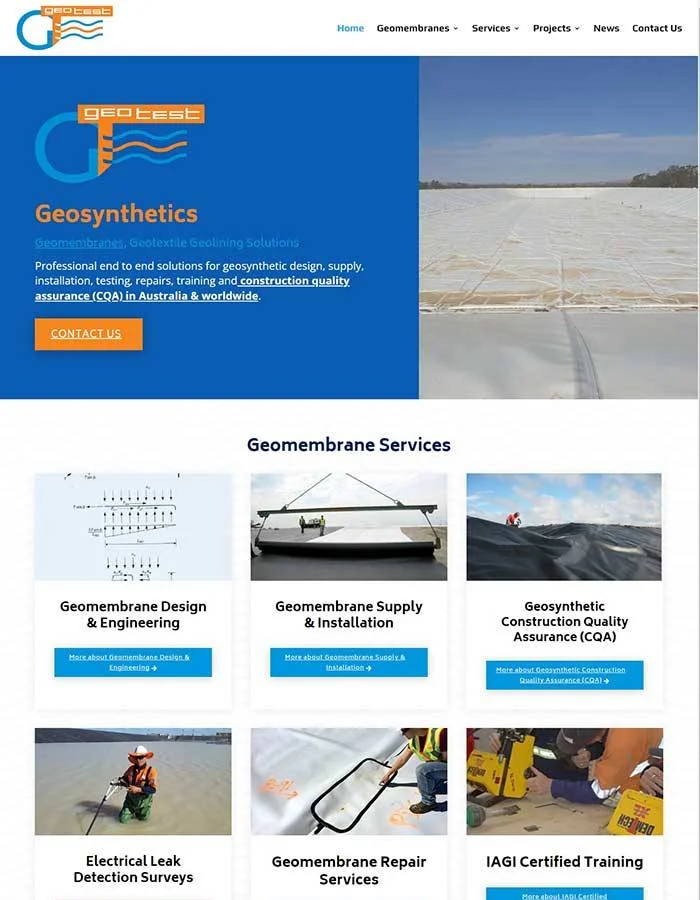
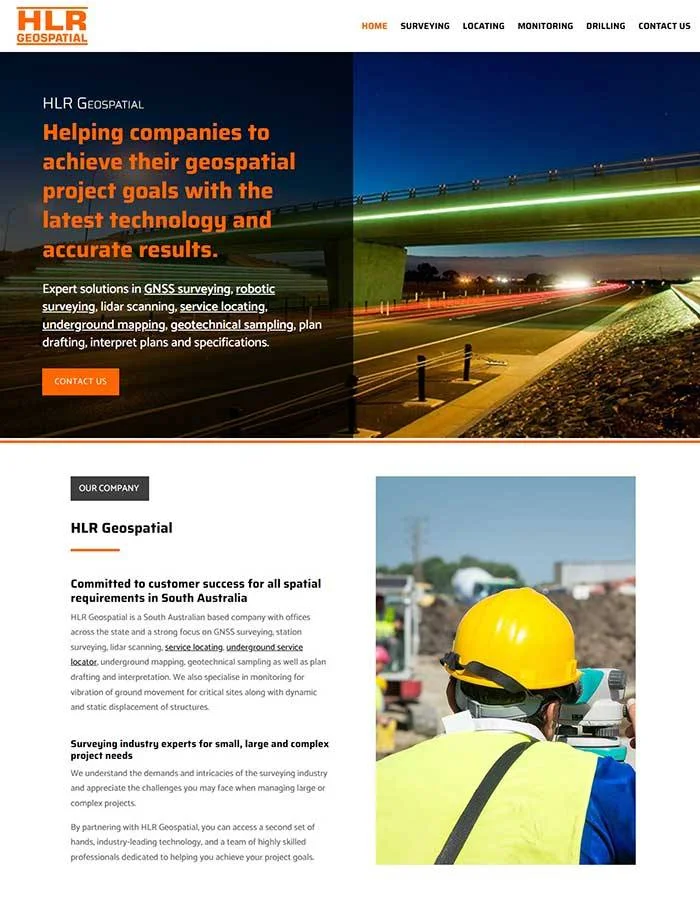
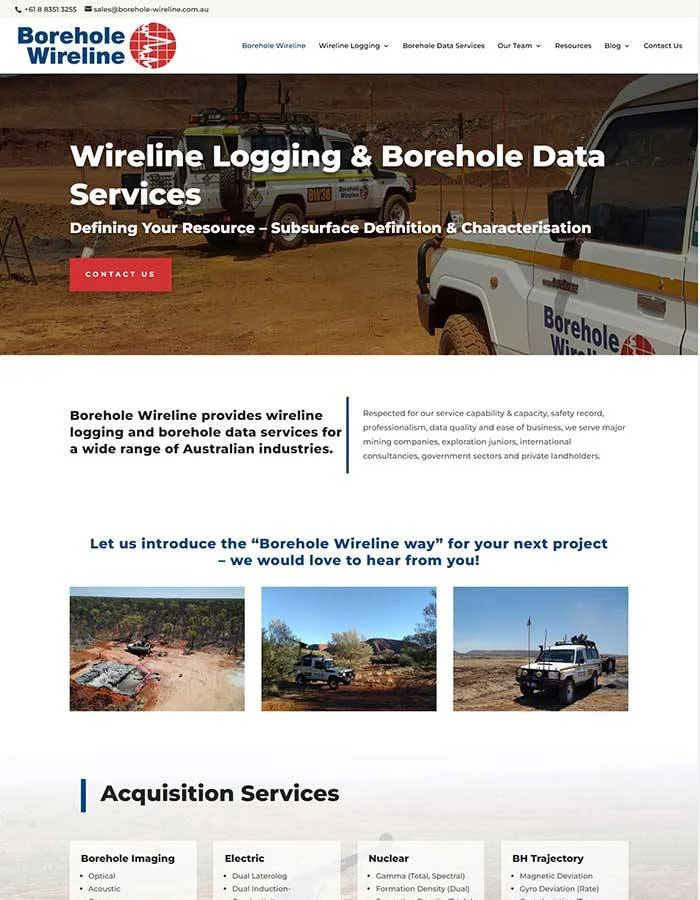
Engineering firms can hold a large amount of knowledge across services, methods, sectors, equipment and technical capability.
Across the projects above, the challenge has rarely been a lack of information. More often, it has been deciding how that information should be structured so a technical buyer can verify something specific without navigating through broad capability statements.
A surveying or geospatial company may need clear separation between services, methods and sectors. A subsurface specialist may be assessed through particular tools and acquisition techniques. An engineering consultancy may place greater emphasis on specialist expertise, methodology, project sectors and professional credentials.
That experience is why we do not treat engineering as one standard website type.
Specialist terminology can strengthen credibility
One of the recurring learings from engineering projects is that technical language should not automatically be simplified.
Engineers, geologists, project managers and procurement teams may already use highly specific terminology. Removing that language can make a website less precise rather than more accessible.
The more useful approach has been to keep technically accurate terminology while organising it so both experienced and less technical readers can find the level of detail they need.